

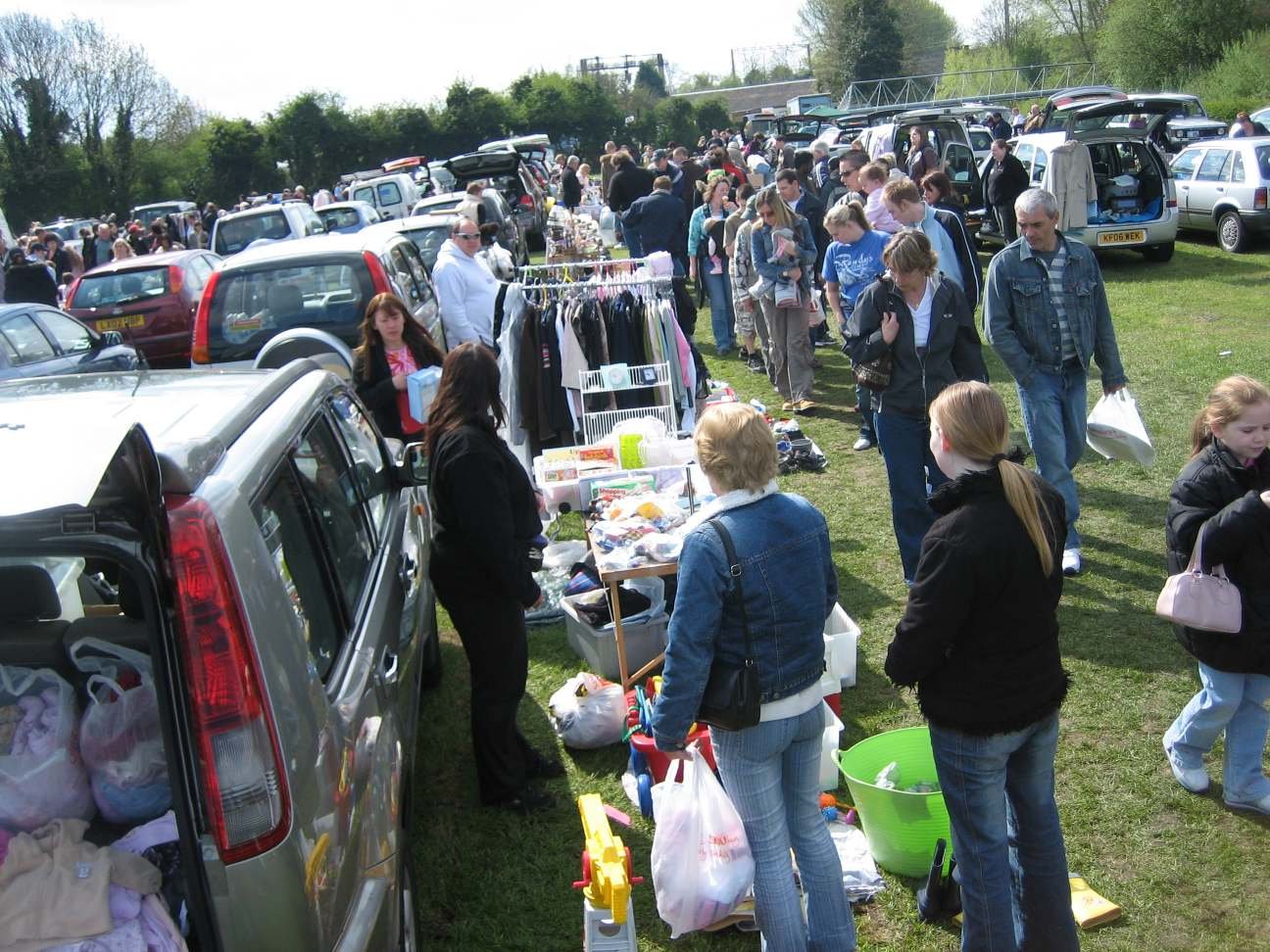
Car boot sales are a much-loved British weekend tradition. Sellers set up stalls from the boots of their cars in fields, car parks and school playgrounds, offering everything from children’s toys and books to vintage furniture and collectables. They also give unwanted items a second life, keeping them out of landfill.
A brief history
Car boot sales became popular in the UK during the 1970s and 1980s, inspired by flea markets and church jumble sales. Today, they run across the country, mainly on weekend mornings from spring to autumn, with some indoor and year-round sales too.
Tips for buyers
- Arrive early: the best items often go within the first hour.
- Bring cash: many sellers do not take cards, and coins help with small purchases.
- Haggle politely: a friendly offer is expected, especially later in the day.
- Check electrical items: ask to see them working where possible.
- Bring bags: a sturdy shopping bag or trolley makes carrying finds easier.
Tips for sellers
- Sort and clean items: tidy goods sell faster and for better prices.
- Price clearly: labels save time, though be ready to negotiate.
- Use a table and rail: displaying clothes and items at eye level attracts buyers.
- Bring a float: plenty of change avoids missed sales.
- Know what sells: children’s toys, tools, books, homeware and branded clothing are reliable sellers.
What to bring
Pack a flask of tea, snacks, a waterproof sheet and layers for changing weather. Sellers should also bring a pasting table and something to sit on, since pitches can be busy for several hours.
Frequently asked questions
How much does it cost to sell at a car boot sale?
Pitch fees vary by location and size, and buyers sometimes pay a small entry fee. Check with the organiser before you go.

